
The India–UK Comprehensive Economic and Trade Agreement (CETA) is now in force — it took effect on 15 July 2026 — and the “who benefits” question is shifting from signing ceremony rhetoric to hard export homework.
On-paper gains: duty-free access
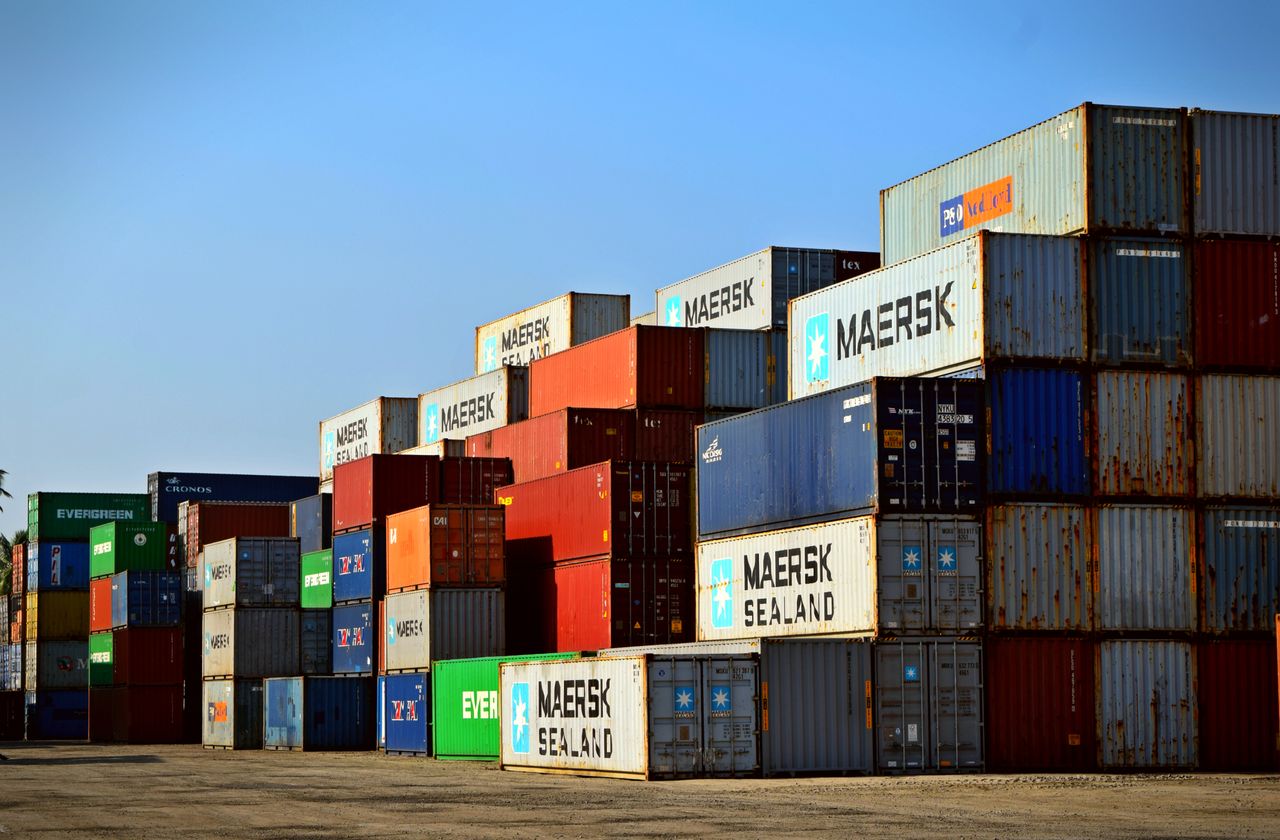
On paper, India is the clearest near-term goods winner: about 99% of Indian exports to the UK enter duty-free under the deal. Textiles, leather, footwear, gems and jewellery, engineering goods, seafood, processed foods, pharmaceuticals and many MSME lines gain tariff headroom in a high-income market. Services and mobility provisions also matter — including reduced social-security costs for eligible Indian professionals working in the UK for defined periods — which trade analysts flag as a quiet competitiveness booster for IT and professional services.
The real test: standards and certification
British exporters gain phased access into India for whisky, cars, machinery, cosmetics and financial services as Indian tariffs come down on a schedule. Consumers on both sides should see more choice and, over time, pressure on prices in selected categories. That is the textbook FTA promise.
The catch, stressed by think-tanks such as GTRI and ORF, is that tariff cuts alone do not lift exports. UK buyers enforce strict product standards, certification, sustainability paperwork and rules of origin. Indian firms that cannot document compliance, scale quality, or meet delivery timelines will leave duty-free quotas unused. Logistics costs, branding and after-sales capability still decide who actually ships.
For Indian readers, CETA is therefore less an overnight boom and more a capability test: factories and exporters that invest in standards, certification and market access can convert preferential tariffs into orders; those that do not will watch the preference margin sit idle while better-prepared competitors move first into British retail and industrial supply chains.
Sources: UK business.gov.uk; ORF
Related: Edible oil duty cut explained; Hormuz oil risk for India.
Today’s News 26 Sep 2026 · 10 stories
 1Import duty cut on edible oils ahead of festivals — explainedSep 26, 2026
 2India–UK CETA in force: who really benefits from the trade dealSep 26, 2026 · Reading now
 3Russia–Ukraine aerial war intensifies as drones and missiles hit citiesSep 26, 2026
 4Hormuz and Houthi risks explained: what Gulf disruption means for India’s oilSep 26, 2026
- 5Iran floats 7-day Hormuz reopen plan; reports say Trump rejected conditional ceasefireSep 26, 2026
 6Sawan Barwal wins Asian Games marathon silver — first Indian medal since 1982Sep 26, 2026
 7Asian Games: India kabaddi men and women clinch gold double vs IranSep 26, 2026
 8Manipur: UNC temporarily lifts highway economic blockade after Assam talksSep 26, 2026
- 9Opposition demands CEC Gyanesh Kumar resign amid Form 6 safeguards rowSep 26, 2026
- 10EC orders ECINet voter-roll software review after internal rift over list changesSep 26, 2026







India’s Semiconductor Talent Push Reaches 85,000 Engineers, Minister Says
A minister said 85,000 semiconductor engineers were developed in four years and set a 100,000 target as Semicon 2.0 backs talent development.
Kerala PSC Shortlist 765/2025: 71 Nursery School Teacher Candidates for Idukki
Kerala PSC’s 31 August 2026 shortlist for Idukki covers the Nursery School Teacher exam held on 24 April, with 71 candidates listed.
Budget 2026-27 Sets Out Skilling and Employment Push, Including Rs 9,886 Crore MSDE Allocation
The February 2026 Union Budget reported an Rs 9,886 crore MSDE allocation, an education-to-employment committee, AVGC labs and university townships.
Goyal Backs Better Medical-Device Testing Infrastructure, But Funding Plan Awaits Notification
Piyush Goyal said the government is willing to fund 100% of best testing equipment acquisition for shared facilities, but no implemented scheme…
Piyush Goyal Calls for More Global Investment in India’s Pharma Sector
Piyush Goyal called for global investment in pharma R&D, clinical trials and patenting, plus regulatory convergence and resilient API-KSM supply chains.

Raj Kundra Recalls darkest moment in jail after hearing Shilpa Shetty planned to divorce him; says, “Genuinely felt like suicide kar du”
Businessman-turned-actor Raj Kundra has opened up about one of the most difficult phases of his life, recalling an emotional breakdown he experienced…
Mukesh Khanna calls out Shah Rukh Khan, Ajay Devgn and Tiger Shroff over Vimal Elaichi ads; demands public apology from them
Mukesh Khanna has spoken out against celebrity endorsements of Vimal Elaichi, calling out Shah Rukh Khan, Ajay Devgn and Tiger Shroff over…
SCOOP: Police Company shoot halted for 2 hours on Day 1 after FWICE intervention over RGV’s pending dues
Ram Gopal Varma’s Police Company has started filming, but not without an interruption. Bollywood Hungama has learned that the production was halted…
Dhanush’s OM, Vijay Deverakonda’s Ranabaali to Made in Korea: Netflix’s upcoming 15 films and web series
Netflix is strengthening its focus on South Indian storytelling, announcing plans to release an average of one new film every week across…

Neetu David appointed chief scout at UP Warriorz
She takes over from Rajib Dutta and will work with coach Abhishek Nayar
Pretorius, Shamar, batters give Guyana Amazon Warriors second straight win
St Lucia Kings could hardly give a fight after posting a modest 151
Pakistan to host SL for Tests and T20Is, and ODI tri-series with England
This is the second consecutive year that Pakistan will host an ODI triangular series
Vijay Deverakonda shares adorable nap-time moment with parents, gives special pc to Rashmika Mandanna: “Recovery- 1000%”
Vijay Deverakonda gave fans a heartwarming glimpse into his family time after rain disrupted his shooting schedule. The actor took to social…
Divya Dutta and Jimmy Shergill team up for Prem Prakash Modi’s intense family drama Tum Rahe Na Tum
Divya Dutta and Jimmy Shergill are set to share the screen in the upcoming psychological relationship drama Tum Rahe Na Tum, directed…

Stock Market LIVE: Sensex gains 500 pts; Nifty SmallCap rises 1%, outperform large-cap indices – business-standard.com
Stock Market LIVE: Sensex gains 500 pts; Nifty SmallCap rises 1%, outperform large-cap indices business-standard.com Nifty 50, Sensex prediction today: Check how Indian…
‘Kohli was better than Sachin in Tests’: AB de Villiers makes huge claim
In a recent statement, AB de Villiers commended Virat Kohli for taking India's Test batting to new heights on foreign soil, following…
Monty Desai leaves Canada head coach post
Desai had taken over after Canada's match at the T20 World Cup 2026 had come under corruption investigations and Cricket Canada is…
SCOOP: Himesh Reshammiya Melodies on a roll! After Yeh Prem Mol Liya and Gunmaaster G9, label bags music rights of Anil Sharma’s Arjun Naga
In April 2026, Bollywood Hungama was the first to report that Himesh Reshammiya’s music label, Himesh Reshammiya Melodies, had acquired the music…
Photos: Anil Kapoor, Jackie Shroff, Vidhu Vinod Chopra and others at the Re-release of 1942 – A Love Story
The post Photos: Anil Kapoor, Jackie Shroff, Vidhu Vinod Chopra and others at the Re-release of 1942 – A Love Story appeared…
Amit Shah chairs Southern Zonal Council meeting in Tamil Nadu
In Tamil Nadu, Union Home Minister Amit Shah presided over a pivotal Southern Zonal Council meeting, gathering representatives from five states alongside…
Lyon survives selection call as Renshaw locked in to open
Jake Weatherald, who had opened with Travis Head in the first Test against Bangladesh, was dropped from the squad prior to the…